Åsa: Hip Hop in Swedish Woods
The first time I heard about a mystery street and club dance “school” in the middle of a Swedish forest my alarm systems went off.
Åsa Folkhögskola is known in the street dance community, but people hold a lot of different opinions about it. Some think it’s the best place on earth...a supportive environment for dancers to be in community, where they level up mentally, physically and learn about Hip Hop culture and dance (Popping, Locking, Hip Hop, House, Breaking or all five styles) on one year course. Others think it’s a cult, a waste of time, filled with too much spirituality and question why is Black culture being taught in the depths of Sweden.
I thought it could be a place where many things go wrong - Hip Hop culture being taught by white people to white people in a privileged context. I had to take a look at it myself, as those who experienced it were very fond of the place, including my mentors who I looked up to. The fact that I also found myself crossed in a quarter life crisis in London which was up my ass by that point really added to my spontaneous decision to apply and escape to the woods.
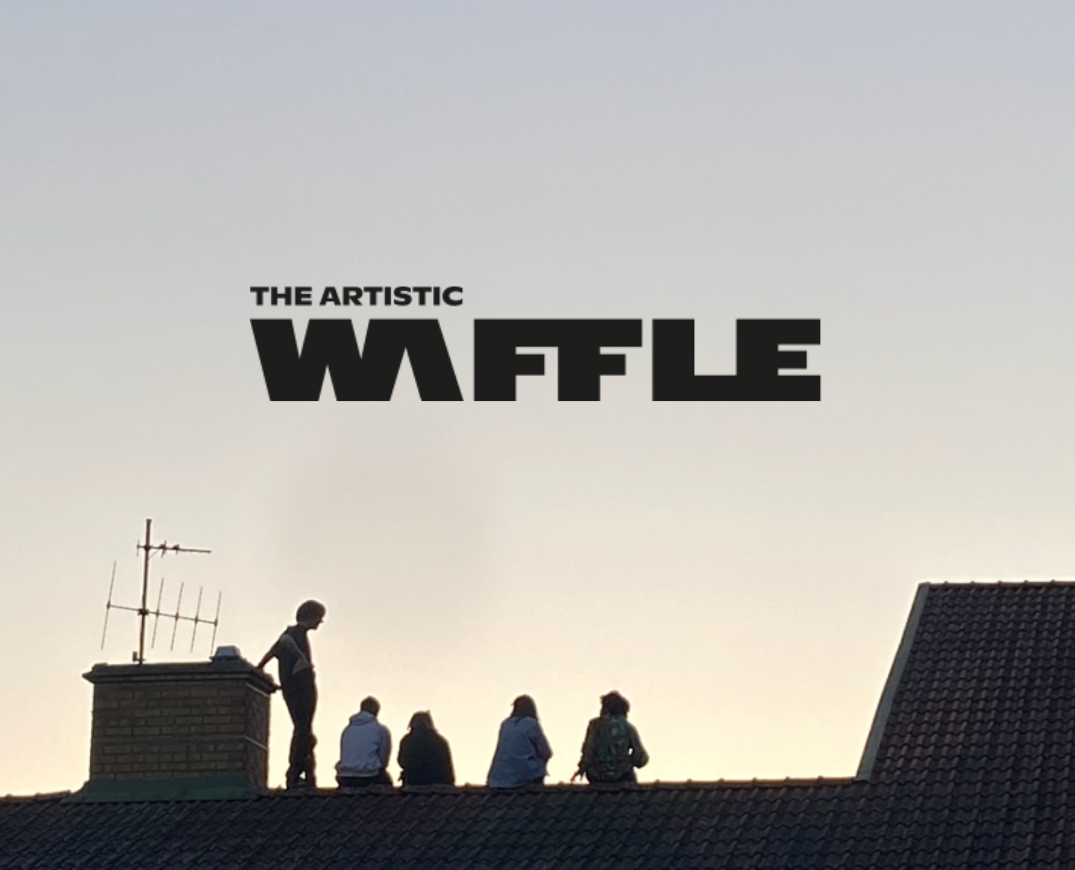
Roofs of ÅsaHip Hop is a global phenomenon, one which has expanded all over the world and created communities in different localities who stick to the core values of peace/love/unity&having fun whilst creating a huge net of friendships. But it’s not all flowers and butterflies. These communities have evolved at their own pace, in their own way, and like the white capitalist devil (a reoccurring character in history) that we know so well, there were some who took the culture, ran with it, milked its fruits and swag for self-profit only.
Consequently, we – as a community – have become very protective of how it’s used and where it’s taught. Especially if it’s for the masses and especially if it’s far away from it’s birthplace. And as white participants, partially because it’s not our own culture and partially because we don’t want to fuck up again, we sometimes find ourselves tip-toeing around and questioning anything which could compromise its future existence.
We were being taught about a culture that was created by young people in a place far, far away from Sweden and a long time ago, but their way of expressing themselves had weight and caught on. Today we have schools, courses, degrees and classes that ride on the trends that African-American youth created in their neighbourhoods decades ago. However, some of us are still stuck on what happened 50 years ago and struggle to recognise that young people today want to evolve the culture, create new pathways and new vocabularies with woahs and nae-naes...whilst we’re frozen in time doing a running man and hating on Tik-Tok. Yes. I raise my hand. I am guilty of doing this too.
Åsa exists within the Swedish folk school system - a liberal adult education that's non-formal, voluntary, and which aims to view all students as free and independent individuals with the right to participate in all aspects of a democratic society (pretty hip-hop imo). The dance course is also completely free, and because it’s taught in English it’s accessible to international students and teachers. Some might say that the course has really bad marketing, but I think it’s a part of conscious gate-keeping system where people find out about it from those who attend/visit, which in turn ensures the 'right type' of people (respectful to the hip-hop community and values) continue to attend and associate with this place.
The big stake-holders within the school - teachers - come from various countries, have different ethnic backgrounds and the majority have done a large part of their learning, travelling, researching and teaching before they took their positions at Åsa. When they teach, the content is selected with an awareness of where it is delivered and with a focus on the how. Many of them were able to meet dance OGs (aka pioneers) and this means that secondary information is being passed on to a new generation - us. We, the students, were encouraged to travel as our teachers recognise that learning from the source is the best way to do it and it’s for important information not to get lost in translation or personal filter.
As Hip Hop is young, our teachers were the first/second/third generation to travel to the US and bring knowledge back and it was based on this that we created a picture of what we think Hip Hop is. The lucky ones have been able to meet the OGs in Europe or travel and check it for ourselves in the US too, filling in as many gaps as we could, whilst adding our own interpretation and passing this on to our students and peers. This knowledge net has been knitted across years and generations, between continents and cities with the knowledge migrating and constantly being shaped into something new. Even though many traditions, music, styles and values are shared in Hip Hop, all places, spaces and people bring in new and additional layers into this culture and consequently, we see a lot of conversations around what is right and what is wrong in hip-hop today. You could point at places like Åsa and say this is one of the issues.
Like Åsa, there are many other places where massive exchanges of information around this culture happen (events like Flavourama in Austria, which holds residencies, discussions, theatre evenings; festivals like Breakin’ Convention in the UK, which programs Hip Hop theatre acts from across the world; podcasts and digital spaces like The Capsule, where global guests step in to talk on multiple dance and Hip Hop related topics and many others). The places which support Hip Hop raise conversations about anti-racism, evolution, dig deep into the history, explore other elements of hip-hop (rap, DJing, graffiti, MCing), create safe, communal environments and celebrate the culture and its roots. Without these anchor points, many of the new, self-assigned participants of the culture would be running around, tongues out like an unleashed dog, completely unaware of their actions and benefiting without giving back (more about giving back next time).
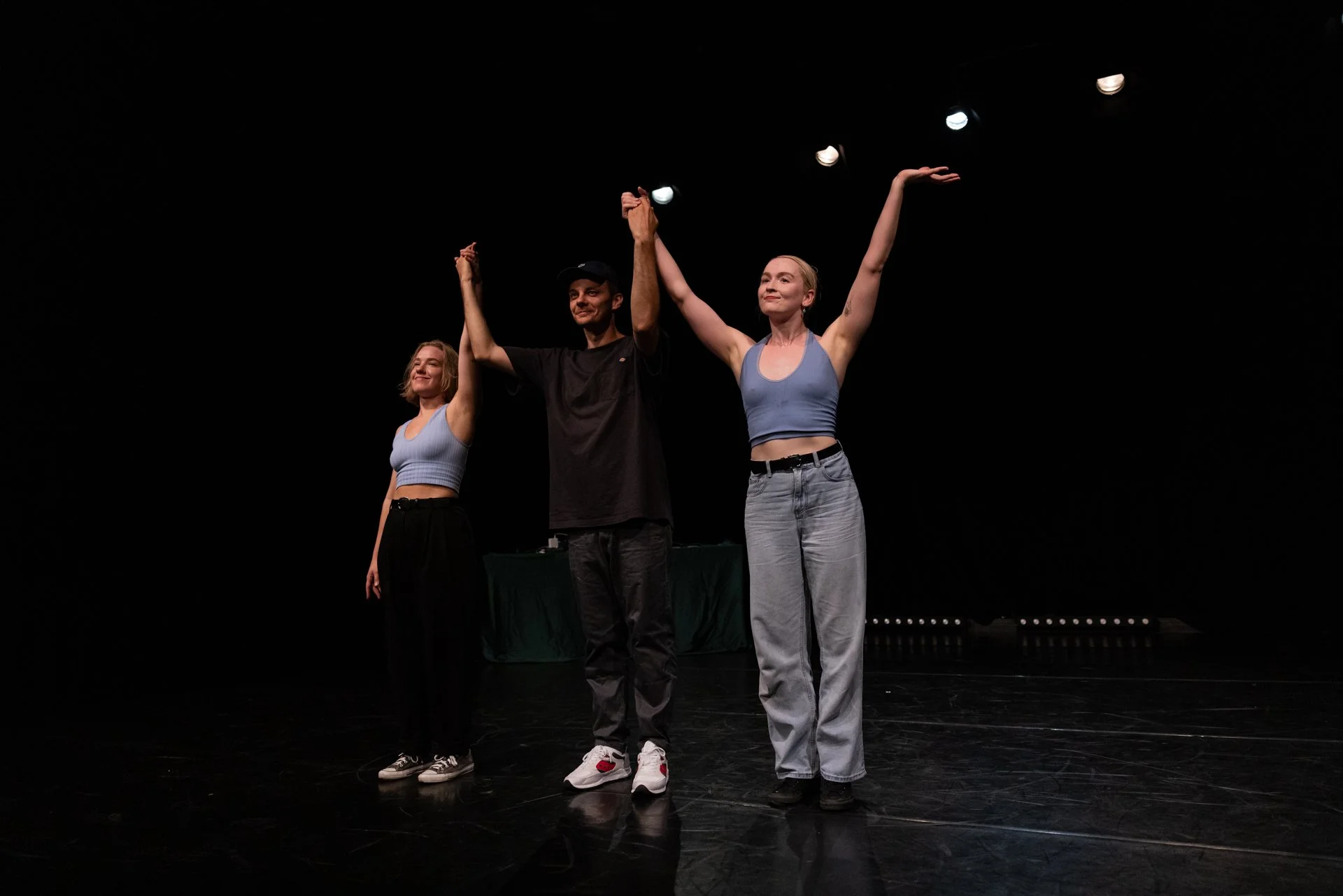
Flavourama Performatory in 2022All of this being said, once something is created and it becomes popular, it's no longer in our control and in some cases – whether we want to admit it or not – we are no longer the best people to say what is right or wrong. The young generation holds the power to decide what is relevant to them and what parts of it they want to carry into the future, and the best we can do is to keep instilling the core values we hope to see live on.
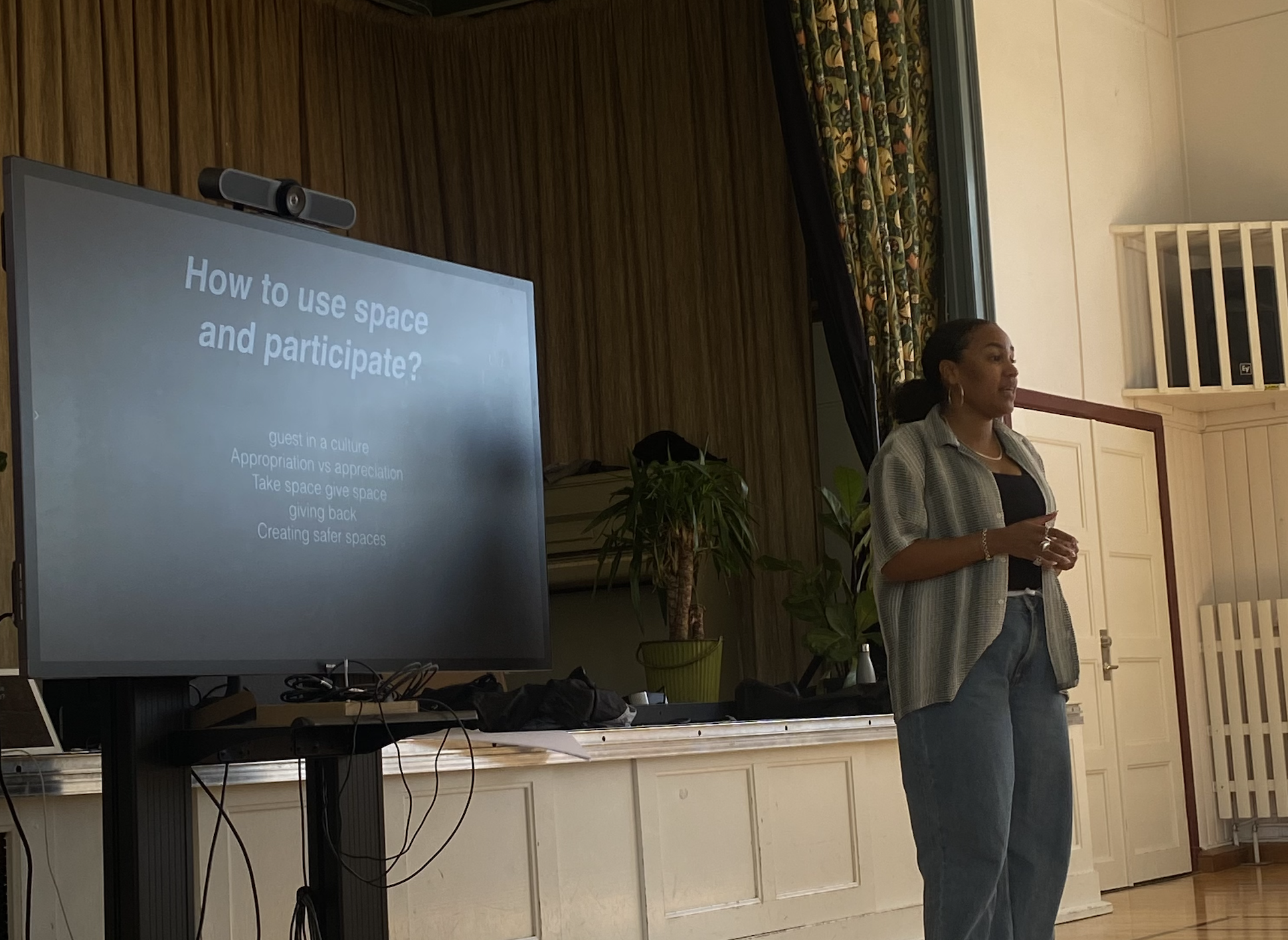
Sophia Wekesa leading a lecture on anti-racism at Åsa.
Check Sophia's work here.
Hip Hop is about evolution and revolution, it is about breaking the standards and it wouldn't be global without this speed and progression. I admit that seeing it institutionalised in various contexts is still strange, but I notice it being done in it’s own way - carrying the core values through, assigning dedicated leaders and visionaries (those who have been around and actively engaged in the culture, not a random Karen with MA in Arts), referring to the old to build the new. Breaking in the Olympics or Åsa in Sweden can both be heated discussion points, but I am glad to say that the community conversations are happening and we are getting somewhere, together.
We are knitting the tomorrow of Hip Hop together, and in decades from now we will be able to look back and understand where we could’ve taken better turns, but as any culture and community we will need to evolve to survive, make decisions to move forward. Åsa is going strong for 15 years now and it influenced a number of recognised dancers we see raising in the scene today like Jo-L, Gifty, Nils, Kaide, Aru, Rama, Fowkus, Inxi and many more who attended this place. I am sure that it will stay until it’s serving the community and it will change when it needs to.
And, if you are one of those still pointing fingers from a distance without willingness to explore it and get to know more of it, you might be stuck in your running, man.
More about Åsa here.
& here.
Catch moments from the woods on Instagram.
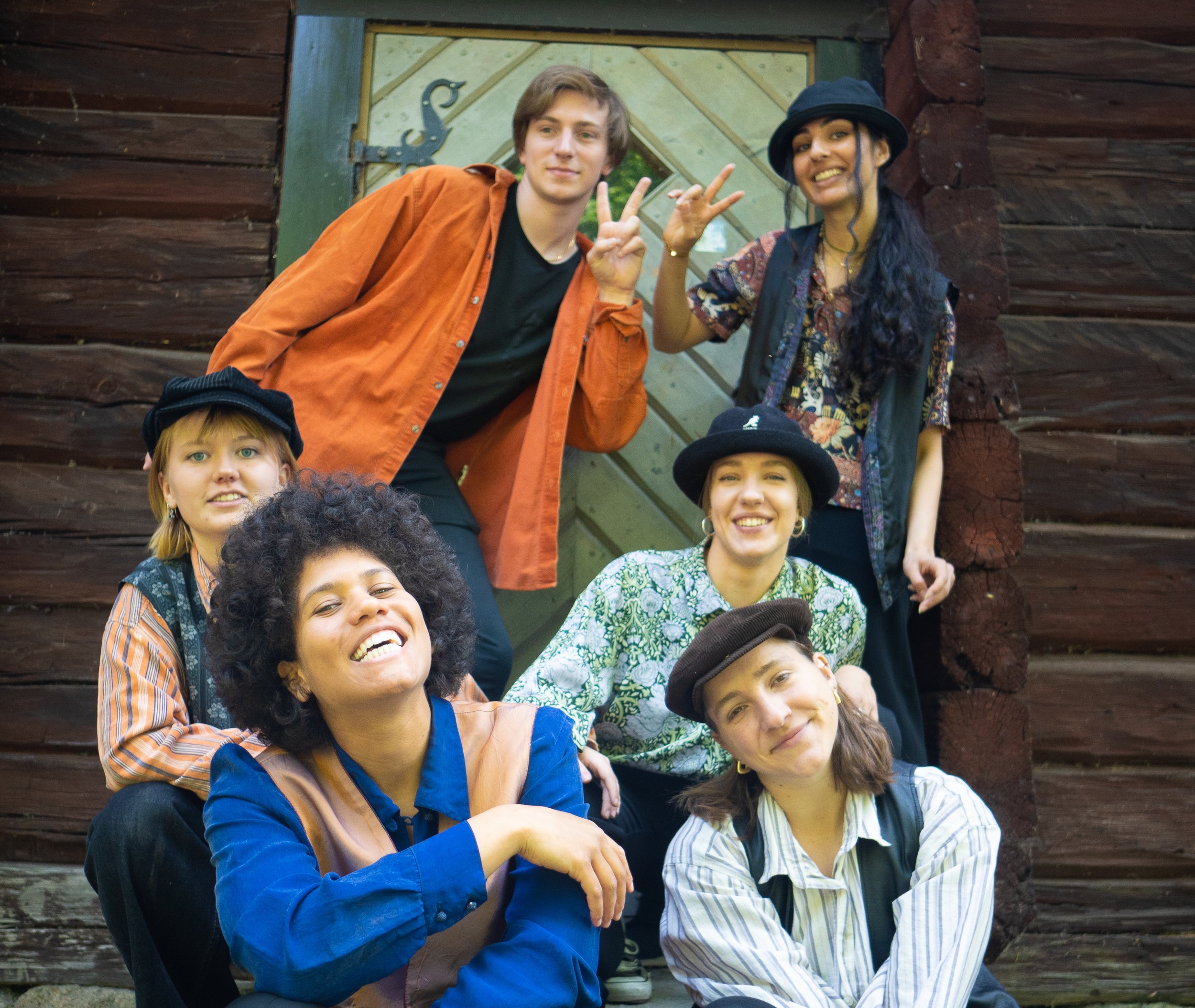
Kisses from Popping 1S 2022-23Thank you: Text edited by Ian Abbott.
